
Someone Googled Your Business 10 Minutes Ago. They Called Your Competitor.
They type "plumber near me" or "best dentist in [your suburb]." Google shows them a list. Your name might be on it — or it might not. But here's what they do next, every single time:
They look at the stars. They count the reviews. They read the most recent ones.
If your competitor has 4.7 stars with 187 reviews and a reply to every single one — and you have 3.9 stars with 23 reviews and dead silence — the customer makes their choice in under 3 seconds.
They call the other business. They book the other dentist. They hire the other tradie.
You never hear from them. You never know they existed. You just notice that business is "a bit slow this month."
That's not bad luck. That's a reputation gap. And it's eating your revenue.

Let's Put a Dollar Figure on What Bad Reviews Are Actually Costing You
Every business has a number — the average value of a single customer. For a plumber, it might be $3,500. For a dentist, $2,800 over a year. For a roofer, $12,000.
Now ask yourself: how many customers per month choose a competitor because their reviews are better than yours?
If the answer is just two — and for most businesses it's more — here's what that looks like:
• $2,000 customer value × 2 lost/month = $48,000/year gone
• $3,500 customer value × 2 lost/month = $84,000/year gone
• $5,000 customer value × 2 lost/month = $120,000/year gone
• $12,000 customer value × 2 lost/month = $288,000/year gone
That's not a typo. A roofer losing two jobs a month to a better-reviewed competitor is leaving $288,000 on the table. Every year.
And the worst part? You're not losing these customers because your work is worse. You're losing them because your reviews don't tell the story of how good your work actually is.
Three Mistakes That Keep Good Businesses Stuck With Bad Ratings
Mistake 1: Not Asking. Most happy customers will leave a review — if you ask them. But most businesses don't. The customers who DO leave reviews unprompted are the ones with a complaint.
Mistake 2: Asking Manually. Some businesses try. But it's sporadic, awkward, and drops off the moment business gets busy. The plumber across town has a system that sends a review request after every single job. That's why he has 180 reviews and you have 23.
Mistake 3: Ignoring Bad Reviews. An unanswered bad review tells every future customer: "This business doesn't care." A thoughtful response tells them: "This business listens and makes things right." Silence costs you far more than the original complaint.
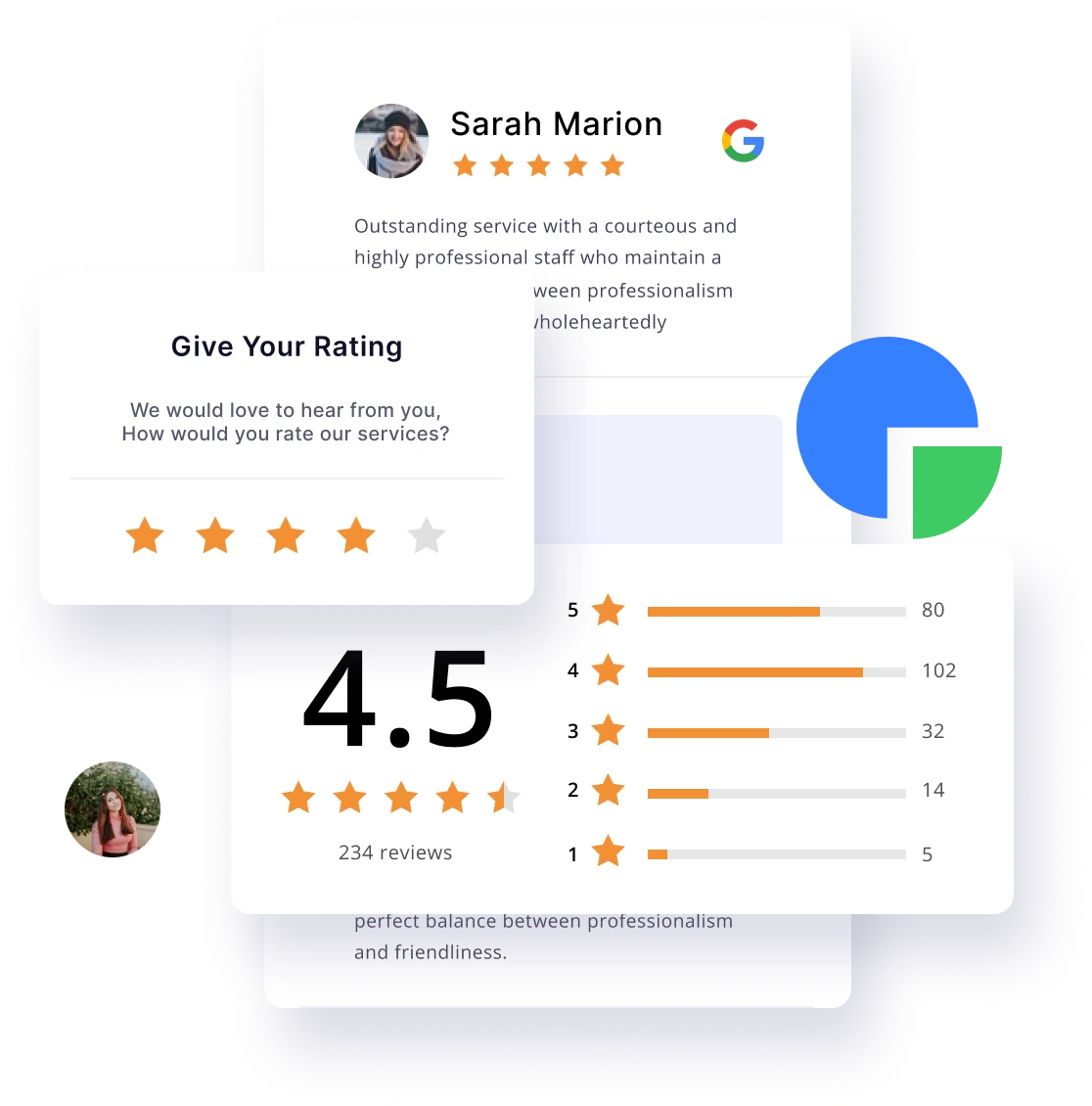
Built by Someone Who Managed Reputation for AmEx, Virgin, and Australia Post. Now Available to You.
Reviews™ wasn't built by a SaaS startup with a pitch deck and no experience. It was built by Antony Loomans — who spent over 20 years working on customer experience and reputation management systems for American Express, Virgin Australia, Australia Post, Amalgamated Pets Control, Hallmark and other household names.
The difference? Those systems cost millions. Required dedicated teams. Took months to deploy.
Reviews™ takes 2 minutes to set up. Costs less than a daily coffee. And runs 24/7 without you thinking about it.
We're now opening the doors to our first 100 founding businesses. If you're reading this, spots are still available — but they won't last.
Founders Rate: $67/month — locked for life.
Regular price after launch: $97/month.
(Birdeye: $299/mo. Podium: $399/mo. Neither includes AI responses or custom widgets.)
14-day free trial | No credit card | Cancel anytime